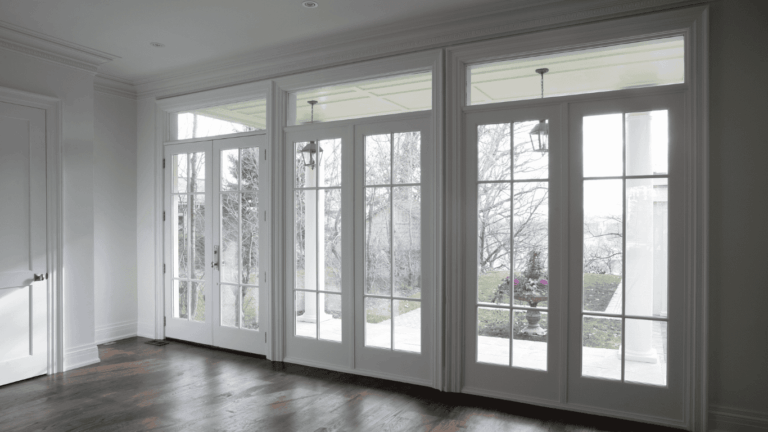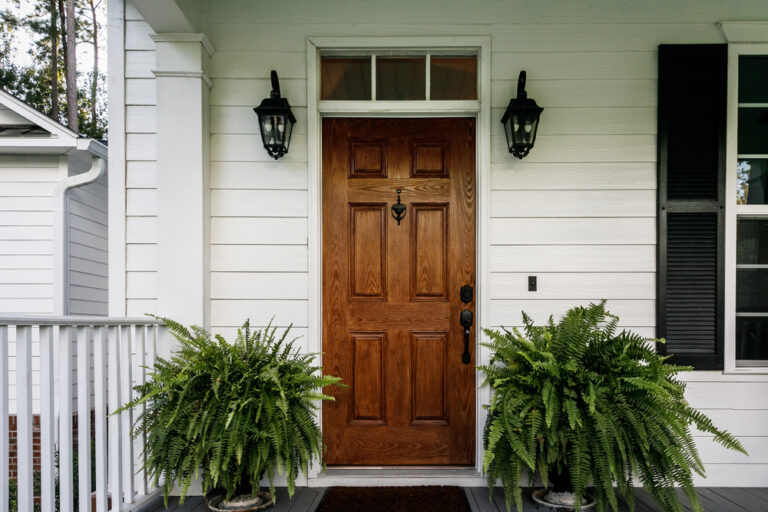
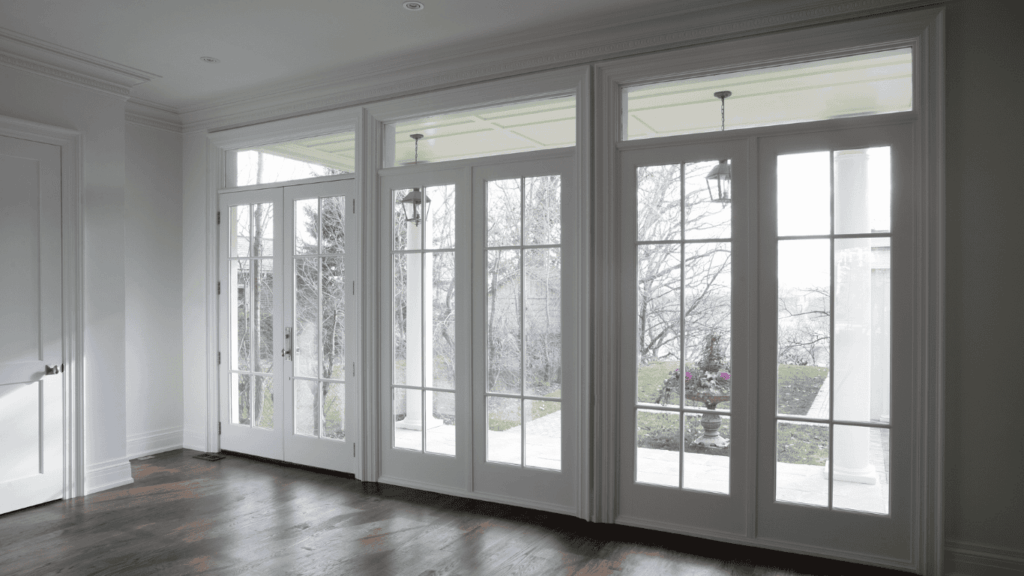
A windy fall day shouldn’t make you wonder whether your French doors are going to blow open.
But if you’ve noticed your doors rattling, moving against the frame, letting cold air inside, or seeming less secure whenever the wind picks up, something isn’t working as it should.
The problem may be relatively simple, such as worn weatherstripping or a door that needs adjustment. In other cases, movement can indicate problems with the hinges, locking system, frame, or the doors themselves.
With colder and windier weather approaching in Kansas City, fall is a good time to figure out why your French doors are moving and whether an adjustment or replacement is the right solution.
Why Do French Doors Move When It's Windy?
French doors are different from a typical single exterior door because two door panels meet in the center. Usually, one is the active door you use regularly, while the other is secured in place until you want the entire opening available.
For the system to work properly, both doors need to fit correctly within the frame and close securely against one another.
If something is loose or out of alignment, wind pressure against the exterior can cause movement, rattling, or gaps.
Common causes include:
- Worn or damaged weatherstripping
- Loose hinges
- Door panels that have shifted out of alignment
- Problems with the astragal where the doors meet
- Improperly secured inactive doors
- Worn locking hardware
- A damaged or shifting frame
- Improper installation
- Older doors that have warped or deteriorated
The U.S. Department of Energy notes that air leakage around doors can contribute to energy loss and recommends weatherstripping movable components and sealing stationary gaps as part of improving a home’s efficiency.
Check the Weatherstripping
Weatherstripping helps create a seal between the door and frame while still allowing the door to open and close.
Over time, it can compress, crack, tear, or pull away.
On a windy day, carefully check around the closed doors. If you can feel outside air entering around the perimeter or where the two doors meet, deteriorated weatherstripping could be contributing to the problem.
Weatherstripping is a replaceable component, so damaged weatherstripping alone doesn’t necessarily mean you need new doors.
However, repeatedly replacing seals won’t solve a door that is warped, poorly aligned, or no longer fitting correctly within its frame.
Look at How the Doors Meet
Close the doors and look carefully at the gap between them.
Is it consistent from top to bottom?
Does one door sit farther forward than the other?
Do you have to push, pull, or lift the handle to get the lock to engage?
Those are clues that alignment may be part of the problem.
French doors rely on several components working together. If one door has shifted, even slightly, the weather seals and locking points may no longer make proper contact.
Check the Inactive Door
One of the most important parts of a French-door system is the door you probably use the least.
The inactive panel typically has hardware that secures it at the top and bottom. When properly engaged, that door provides a stable point for the active door to close and lock against.
If the inactive panel isn’t firmly secured, both doors may move when subjected to wind pressure.
If you aren’t sure whether the hardware is operating correctly, have the system inspected rather than forcing or modifying the locking components.
What If the Doors Rattle?
Rattling generally means there is movement somewhere in the assembly.
Possible causes include loose hardware, worn seals, poor alignment, or excess space between the door and frame.
A little movement can become particularly noticeable during windy Kansas City weather.
The important question isn’t simply how to stop the noise. It’s why the door has enough movement to rattle in the first place.
Identifying the cause allows you to determine whether the problem calls for an adjustment, replacement component, or new door system.
Drafts Are Another Warning Sign
A door can remain closed and locked while still allowing significant outside air around its edges.
If the area around your French doors becomes noticeably colder during fall and winter, check for drafts.
Exterior doors are part of the home’s thermal envelope, so gaps and air leakage can affect both comfort and efficiency. That’s particularly noticeable with French doors because they have more joints and edges than a single solid door.
If you’re already evaluating your home’s efficiency before winter, you may also want to read our guide to Planning Exterior Home Improvements Before Winter: Where Should You Start?
When Is Replacement Worth Considering?
Not every rattling French door needs to be replaced.
Adjustment may make sense when the doors themselves are still in good condition and the problem is limited to hardware, alignment, or weatherstripping.
Replacement becomes more worth considering when you have multiple problems, such as:
- Persistent drafts
- Warped or deteriorated doors
- Rot or moisture damage
- Damaged frames
- Condensation between glass panes
- Difficulty locking the doors
- Repeated alignment problems
- Poor energy performance
- Doors that no longer operate smoothly
- An outdated design you’d like to change
At that point, continuing to address individual symptoms may not make as much sense as evaluating the complete door system.
Modern Exterior Doors Can Improve Comfort
Today’s exterior doors can combine large areas of glass with better insulation and sealing than many older products.
When comparing replacement doors, consider more than appearance.
Look at the glass package, frame, weatherstripping, threshold, locking system, and energy-performance ratings.
This is particularly important with doors containing a significant amount of glass. ENERGY STAR evaluates exterior doors according to U-factor and Solar Heat Gain Coefficient requirements, with criteria varying based on the amount of glazing in the door.
For more information about choosing exterior doors, read Choosing the Right Front Door: Styles, Materials, and Energy Savings.
Don't Ignore the Problem Before Winter
A rattling French door may seem like a minor annoyance in October. When temperatures fall and winter winds arrive, the same problem can become a source of uncomfortable drafts.
Fall gives you an opportunity to have the doors evaluated while the problem is easy to observe and before the coldest weather arrives.
Rolox Home Service can help Kansas City-area homeowners evaluate aging exterior doors and explore replacement options when a new door system makes sense.
If your French doors rattle, move, leak air, or simply aren’t performing like they once did, contact Rolox Home Service to discuss your exterior door options.
Frequently Asked Questions
Movement can result from worn weatherstripping, loose hinges or hardware, poor alignment, problems with the inactive door’s locking system, frame issues, or deterioration of the doors themselves.
The correct solution depends on what’s causing the movement. Weatherstripping, hardware, and alignment should be checked first. If the doors or frame are damaged or no longer fit properly, professional evaluation may reveal that replacement is the better solution.
Properly installed and secured exterior French doors should feel stable when closed and locked. Noticeable movement, particularly when accompanied by drafts or difficulty locking, deserves further investigation.
Air can enter through deteriorated weatherstripping, gaps caused by misalignment, damaged components, or areas where the door assembly is no longer properly sealed.
It can when deteriorated weatherstripping is the primary problem. It won’t correct warped doors, damaged frames, significant alignment problems, or other structural issues.
Consider the age and condition of the complete system. Persistent drafts, rot, damaged frames, failed glass seals, locking problems, or repeated adjustments can make replacement worth considering.
Many modern exterior French and patio doors incorporate insulated glass, improved frames, weatherstripping, and other efficiency features. Compare the specific product’s energy ratings when choosing a replacement.
Contact Rolox Home Service to discuss your existing door system and available exterior-door replacement options.